
Across Wisconsin and beyond, peer mentoring is becoming a powerful force in supporting people with disabilities to navigate life’s challenges with confidence, independence, and community connection. Rooted in shared experience, peer mentoring goes beyond traditional services by pairing individuals who have lived through obstacles with peers who are currently navigating their own journeys—creating a relationship built on understanding, empathy, and mutual growth.
What Is Peer Mentoring?
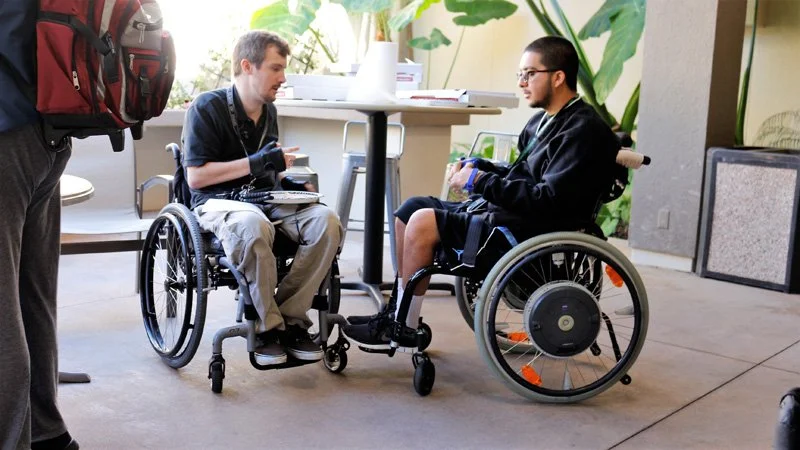
Peer mentoring is a structured support approach where people with disabilities who have overcome significant barriers work as peer mentors to assist others facing similar challenges. This model recognizes a simple truth: there is unique value in lived experience. When someone who has “been there” offers support, the connection often feels authentic, encouraging, and empowering in ways that traditional professional roles cannot always achieve.
In Wisconsin, the Board for People with Developmental Disabilities (BPDD) supports a formal peer mentoring program specifically designed for people with intellectual and developmental disabilities. This initiative equips mentors to guide others toward greater independence, self-advocacy, community engagement, and personal growth.
Steps and Training Involved
Becoming a qualified peer mentor under Wisconsin’s BPDD model involves several key steps:
Meeting Basic Eligibility:
Prospective peer mentors must be at least 18 years old and identify as having a relevant disability.Core Training – Peer Mentor 101:
Mentors begin with foundational training that introduces the principles of peer mentoring, ethical boundaries, communication skills, trauma-informed support, and how to foster growth while maintaining respect and empowerment for mentees.Supervised Internship:
After the initial training, mentors complete a 90-hour supervised internship with a service provider. This hands-on experience helps mentors practice skills, engage with peers, and apply training in real-world settings. Upon completion, they are recommended for certification.Ongoing Learning:
To stay effective and responsive, mentors participate in continuing education annually. This ensures they stay updated on best practices, deepen their skill set, and expand their capacity to support others.
The BPDD also defines a scope of practice for peer mentors that emphasizes supportive relationships, goal-setting assistance, trauma-informed approaches, and encouragement toward personal growth and community participation.

Why Peer Mentoring Works
Peer mentoring thrives because of what it brings to the relationship:
Shared Lived Experience Builds Trust
Traditional support roles often rely on training and clinical expertise—but they can lack the resonance that comes from truly understanding life from the mentee’s perspective. Peer mentors draw on their stories of struggle and success to build trust more quickly and authentically. When someone says “I understand because I’ve lived it,” that connection can break down isolation and spark hope.
Encouragement That Matches Real Challenges
People with disabilities often navigate complexities that go beyond disability labels—employment barriers, social isolation, healthcare bureaucracy, stigma, and daily life skills. Peer mentors have walked through many of those same challenges and can offer practical advice and strategies that feel grounded and achievable.
Modeling Possibility and Progress
Seeing someone who has faced similar hurdles and is thriving provides a powerful message: progress is possible. This role-model effect can boost confidence, ignite motivation, and shift mindsets from “I can’t” to “I can try.”
Complementing Traditional Services
Peer mentoring doesn’t replace professional care, therapies, or services—instead, it supplements them. It provides relational support that can improve engagement with existing services, enhance follow-through, and help folks translate plans into action.
Benefits for Both Mentees and Mentors
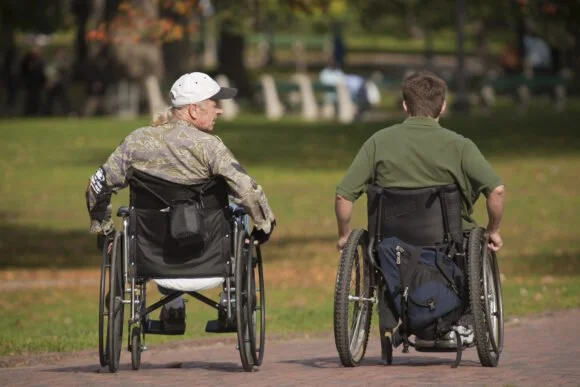
Peer mentoring offers advantages for both sides of the relationship:
For mentees:
Increased self-advocacy and goal attainment
Greater confidence navigating systems and communities
Stronger social connections and reduced isolation
Practical life skills grounded in lived experience
For mentors:
A meaningful way to give back and stay connected
Enhanced leadership and communication skills
Opportunities for professional development and employment
Personal growth through helping others succeed
A Vision for Inclusion and Opportunity
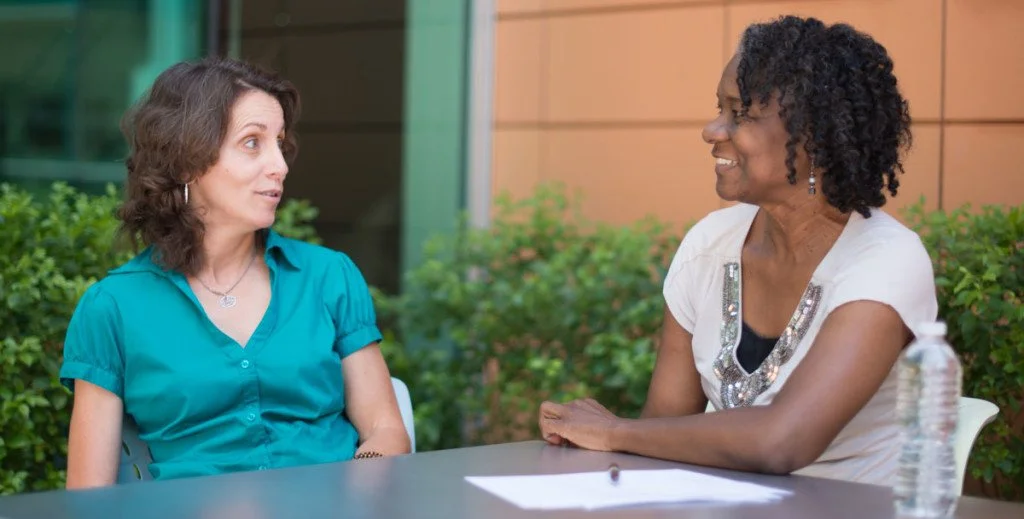
Programs like the Wisconsin BPDD Peer Mentoring initiative affirm that people with disabilities are not defined by limitations, but by their resilience, creativity, and capacity for growth. Peer mentoring amplifies voices that are too often overlooked, and builds stronger communities where people support one another toward independence and dignity.
Whether you’re considering becoming a peer mentor, exploring support options for a loved one, or simply looking to understand how disability communities empower each other, peer mentoring stands out as a transformative practice—one that celebrates lived experience as both teacher and support.
For more information on ODC’s Peer Mentoring program you can email Anna Morehouse:
amorehouse@odcinc.com
She can also be reached by phone at 715.818.6445